
a

About the factory

To be continued

Korosten Porcelain Factory

The main stages of development
zavod

Foundation of the plant

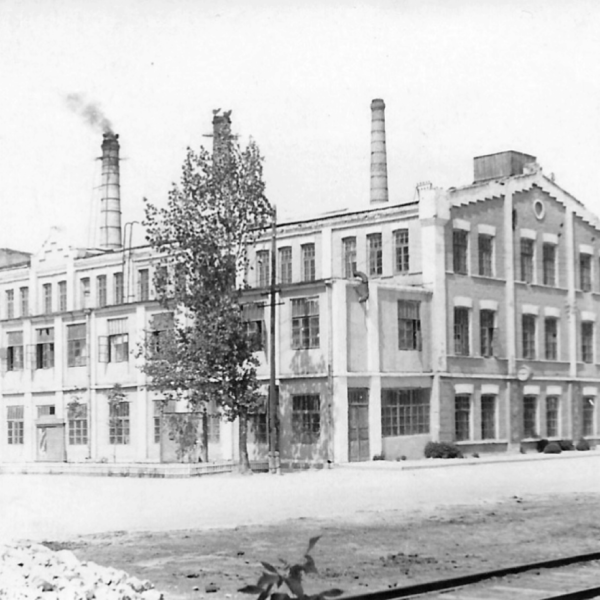
The enterprising Pole T. K. Przybylski founded a factory for the production of faience and porcelain. At first, the factory produced only “blanks” as white, unpainted dishes. Then it was packed in barrels, they were loaded into wagons and taken to Poland to be painted. The company specialized in the production of tableware – expensive sets, plates.

The revolution
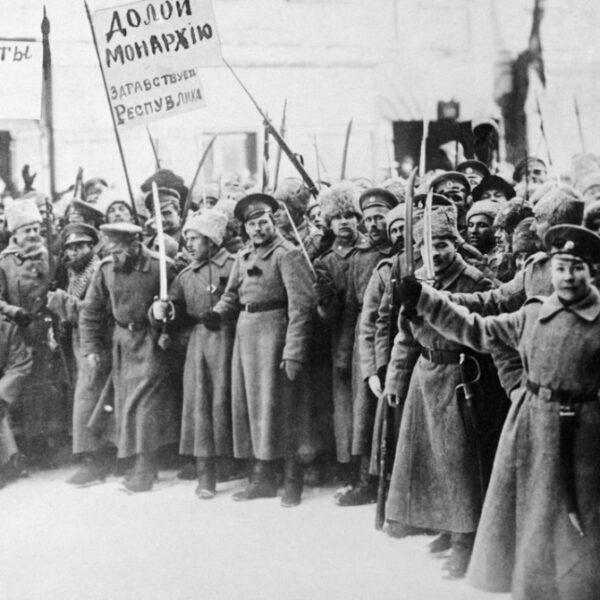
After the October Revolution of 1917, the enterprise was nationalized. During the Soviet-Ukrainian War, the factory was destroyed, but after the end of hostilities, together with other enterprises of the glass and porcelain and faience industries, it was transferred and restored under the control of the Main Committee of the Glass and Porcelain Industry of the Supreme Council of National Economy.
After the restoration of trade relations with Turkey (interrupted after the outbreak of the First World War), the trade mission of the USSR entered into an agreement for the manufacture of porcelain tableware for Turkey and Egypt, which was carried out by the Baranovsky, Budyansky and Korosten porcelain factories.
After the completion of the first reconstruction in 1928, the production volumes of the plant were almost five times higher than the production level of 1913.
During the industrialization of the USSR, the technical re-equipment of the enterprise began. As of 1935, the porcelain factory was the largest enterprise in Korosten (the total number of employees was 450 people).
5d4095c8ea73c3a003a165756d9b0480
23d973305c5d4bc93c9bcb7ae49357e8d624b020

THE SECOND WORLD WAR

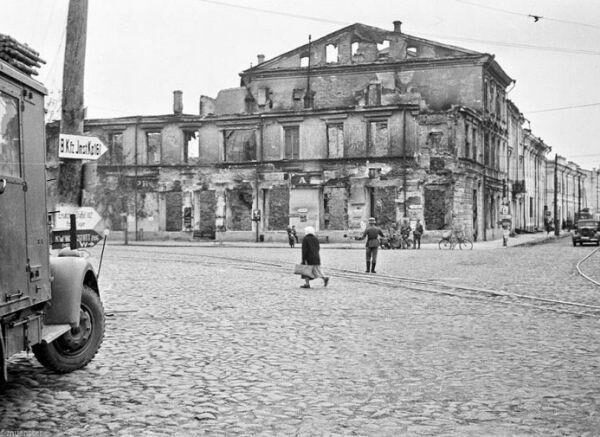
During the hostilities of the Second World War and the German occupation, the factory was destroyed, but after the end of the war, in accordance with the fourth five-year plan for the restoration and development of the national economy of the USSR, it was restored in May 1945 and put into operation again.
In 1955, a two-story dormitory for 100 people was built for the workers of the porcelain factory (the authors of the project were architects L.B. Katok and L.N. Kyselevych).
Also, in the mid-1950s, the factory workers laid a park, in which, according to the project of the architect K. Bartashevych, a three-storey factory House of Culture was built in 1964 (closed in the 1990s and abandoned after a fire in 2005).
In the 8th five-year plan (1966 – 1970) the F.E. Dzerzhynskyi Korosten Porcelain Factory was reconstructed, new tunnel ovens were put into operation.
In 1972, with the help of specialists from Leningrad, the entersprise put into operation equipment with automated production of plates (which doubled the productivity of the work).
In Soviet times, the factory was one of the leading enterprises in the city.

RESTORING INDEPENDENCE

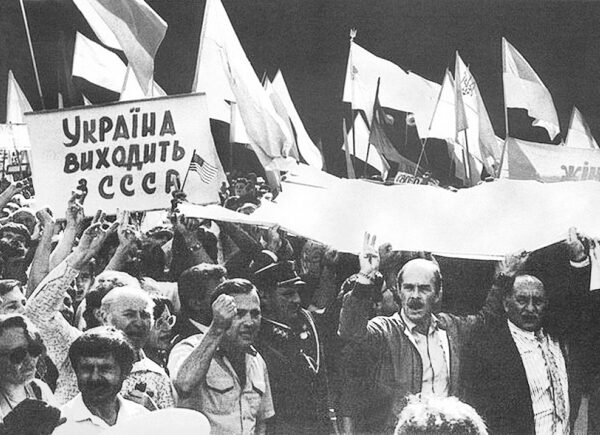
After Ukraine gained independence, the state factory was transformed into a closed joint stock company.

In January 2006, there was an attempted raider takeover of the enterprise.

Ukraine’s accession to the WTO in May 2008 (with a subsequent increase in imports of finished porcelain products to the country) and the economic crisis that began in 2008 complicated the plant’s activities. In November 2009, in order to resume the work of the plant, it was proposed to nationalize the enterprise (the decision was not made, although 78 out of 450 deputies of the Verkhovna Rada of Ukraine voted for it).
66554

“Glass, China, and Reputation, are easily cracked, and never well mended.”

Benjamin Franklin
One of the founders of the United States, politician

To be continued

By prior arrangement

Kiev
+38 067 501-01-01